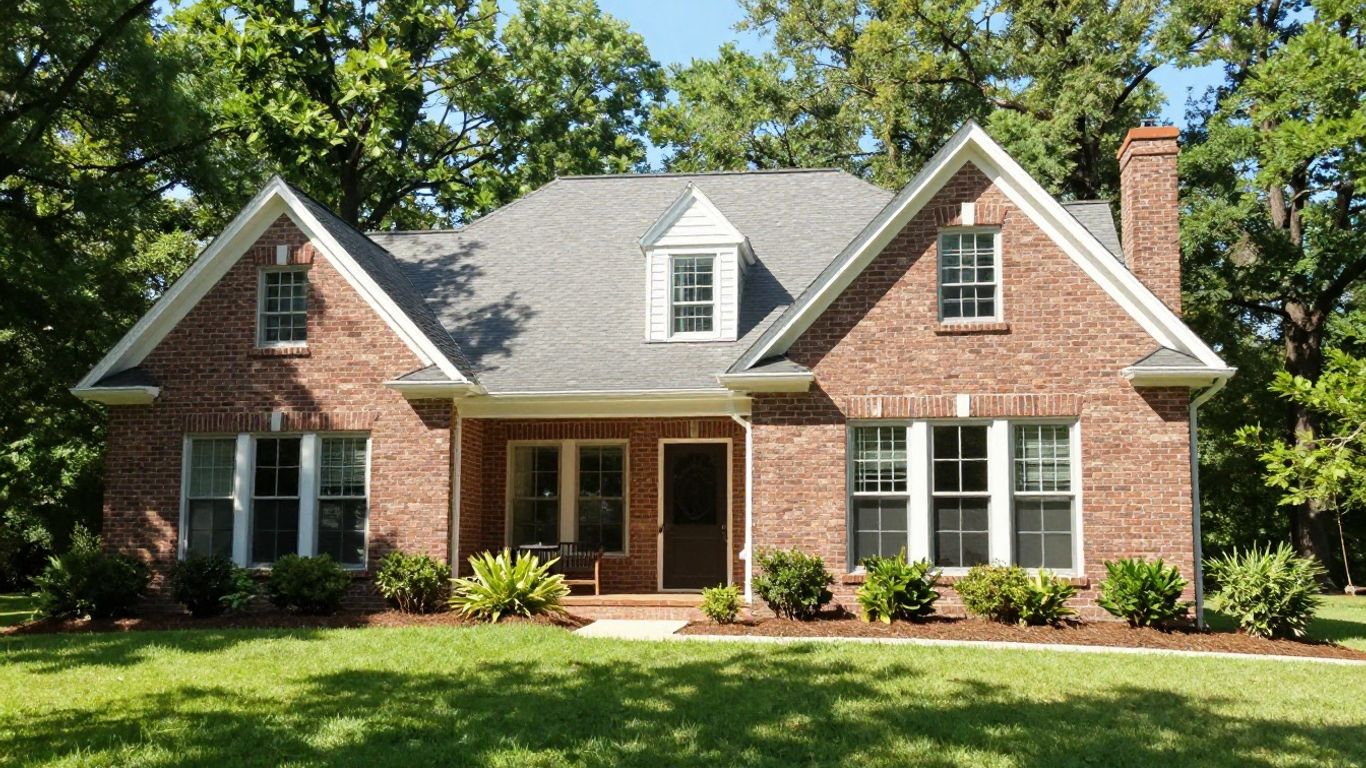
Thinking about adding a room to your house in Dacula, Georgia? It’s a big project, for sure. You want more space, maybe a new bedroom or a bigger living area. It sounds great, but there’s a lot to figure out. This guide will walk you through what you need to know, from the first idea to the final walkthrough, so you can get that extra space without too many headaches. We’ll cover planning, design, permits, and the actual building part.
Key Takeaways
- Figure out exactly what you want and how much you can spend before you start. This means setting clear goals for your new space and creating a budget that includes everything, even a little extra for surprises.
- Finding the right people is super important. Look for experienced contractors and designers in the Dacula area. Check their past work and talk to them to make sure they’re a good fit for your project.
- Getting permits from Dacula, Georgia is a must. Most additions need official approval. Your contractor will usually handle this, but it’s good to know what’s involved and that inspections will happen at different stages.
- Before the hammers start swinging, get your home ready. This means moving or protecting your stuff and thinking about where you’ll live or do daily things while construction is going on.
- Once the building is done, there’s a final inspection and a punch list. This is where you and your contractor go over everything to make sure it’s perfect before you make the final payment and officially finish adding a room to your house.
Planning Your Dacula, Georgia Room Addition
Define Your Project Goals and Vision
Start by figuring out what you actually need from this new room. Are you looking for extra space for the family? A dedicated office, a playroom, or maybe just more storage? List out the primary reasons you want this addition and be honest with yourself about what matters. Think about things like:
- How the addition will connect to the rest of the house
- The purpose of the new space
- Any features that are must-haves versus nice-to-haves
Try to picture yourself using the room in daily life. Walk through different scenarios. It’s easy to get excited about possibilities and overlook simple needs, so stick to what will make everyday living better.
When you have a personal vision for the project, planning and communicating with professionals gets much easier later on.
Establish a Realistic Budget
Before you shop for tiles or talk to architects, set your budget. Costs for adding a room in Dacula can range a lot based on what you want, but as of 2026, prices per square foot in Gwinnett County are generally:
| Type of Addition | Range per Sq. Ft. |
|---|---|
| Simple Room | $110–$170 |
| Bathroom Add-on | $150–$250 |
| Specialized Space (Home Office/Studio) | $140–$220 |
Here’s how to take charge of your budget:
- Add at least 15% for unexpected expenses.
- Don’t forget about permit fees and inspections.
- Review your financial situation—consider financing if needed (home equity loan, personal loan, or cash-out refinance).
Knowing your money limits now prevents tough choices down the road.
Research and Hire Qualified Professionals
The team you hire will make or break your experience. Don’t go straight to hiring the first company you find online. Here are some quick steps:
- Ask neighbors or friends about their experiences.
- Check if the contractor is licensed and insured for Georgia.
- Look up reviews and recent work samples.
- Interview at least 3 top candidates, asking about timelines, process, and what happens if issues pop up.
- Get detailed, written estimates. Check what’s included (labor, materials, cleanup, permits)
Choose someone who listens to your needs, not just their own ideas. If you’re feeling stuck, the Duluth Kitchen Remodeling and Construction Company specializes in these types of additions throughout Gwinnett County—and they’ve helped plenty of folks in Dacula.
Ready to get started with your Dacula room addition? Get a quote or set up a consultation with Duluth Kitchen Remodeling and Construction Company. Visit Contact Us or stop by their local office for guidance you can trust.
Designing Your New Space in Dacula
Your new room in Dacula isn’t just adding some extra square footage. It’s about making real improvements to how your home feels and how you use it daily. Here’s where you start pulling the dream out of your head and making it real on paper.
Develop Detailed Plans and Architectural Drawings
Before anything gets built, you first need clear plans. This usually means working with a reputable designer or architect who understands what works well in our region. Detailed plans should include:
- Basic dimensions and intended layout of the new room
- Door and window placements for light and traffic flow
- Where you’ll put outlets, switches, and plumbing (if any)
- Important notes for HVAC or insulation
Don’t shy away from asking your contractor for as much detail as possible. The more effort you put into planning, the fewer surprises you’ll get later. Detailed architectural drawings are required for permits and help prevent expensive mistakes. For some inspiration, you can also check out premium home designs by Exodus Design Build if you want a look at luxury options in the Atlanta area.
If there’s anything worth spending extra time on, it’s buttoning up your plans before a single nail goes in.
Select Materials and Finishes
Material selection isn’t just about price—it’s about how you’ll feel living in the new space every day. Even small differences in flooring, surfaces, or paint colors can end up making or breaking the result.
Here’s a quick way to break it down:
| Material Type | Common Options | Pros & Cons |
|---|---|---|
| Flooring | Hardwood, Laminate, Tile | Hardwood is classic but pricier; tile is tough but cold |
| Walls & Paint | Semi-gloss, Matte, Accent walls | Easy to change later, but color selection matters |
| Cabinetry/Trim | Painted wood, Stained, Laminate | Painted is flexible; stained adds warmth |
| Fixtures & Hardware | Matte black, Brushed nickel | Matte hides fingerprints, nickel is timeless |
Three steps for picking finishes without losing your mind:
- Collect samples (paint chips, flooring, hardware) and lay them out in the actual room if possible.
- Consider how the natural light changes the color or look throughout the day.
- Don’t forget about durability—choose what will last through daily life in Dacula weather.
Even if you’re feeling overwhelmed, take the process one bite at a time. Ask your contractor what’s worked in similar projects. They may have new ideas or know of common pitfalls for local homes.
Ready to get specific about your room addition plans? Let the experts at Duluth Kitchen Remodeling and Construction Company help you turn your ideas into reality. Come by or contact us to get the ball rolling on your custom addition in Dacula. Reach out here to start your consultation.
Navigating Dacula’s Permit and Inspection Process
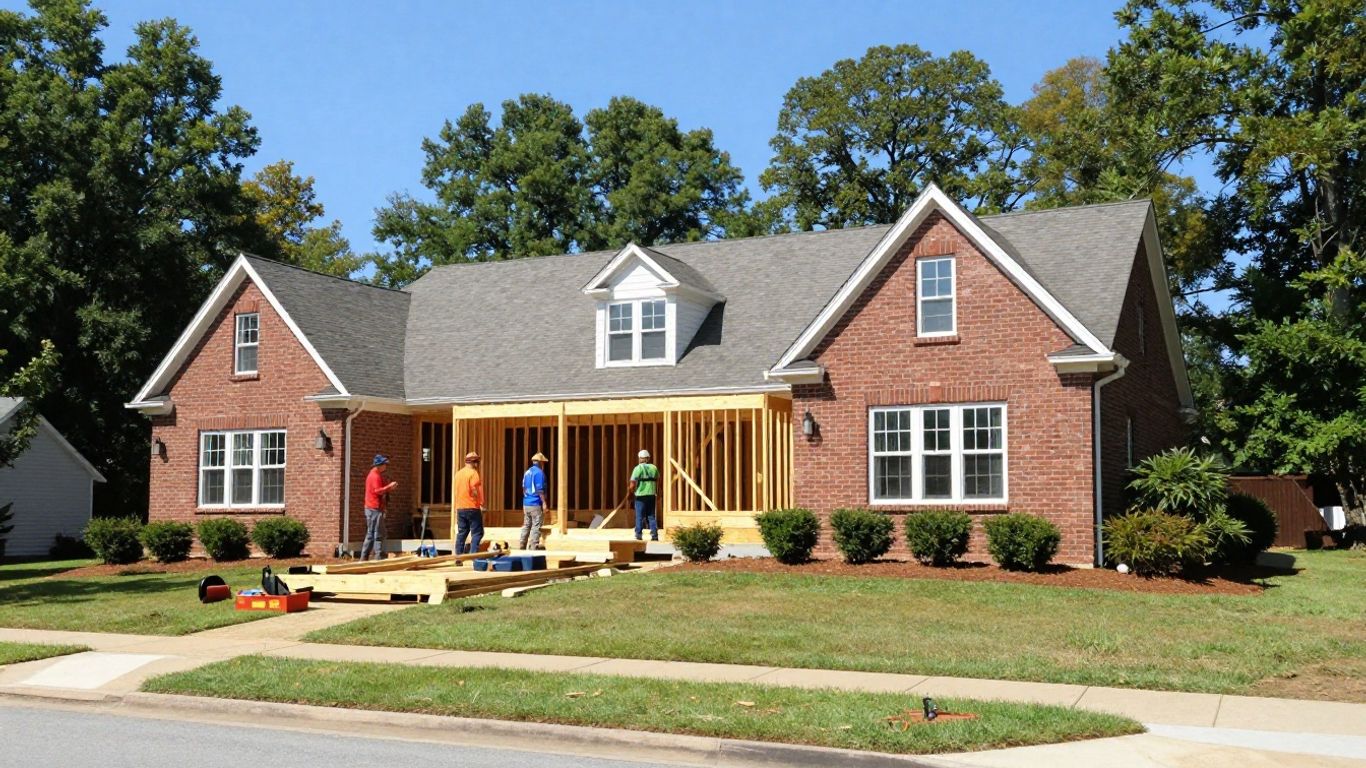
Adding a new room to your house in Dacula, Georgia, isn’t just about sketches and dreams—there are rules to follow, and permits are a big deal. Skipping permits can lead to big headaches down the road. Let’s get into how to handle permits and inspections, step by step, so you can keep your project moving forward without surprises.
Understand Local Permit Requirements
Getting a permit is mandatory for most major construction work in Dacula. This covers anything from adding square footage, taking down walls, or doing serious electrical work (think new circuits, panel upgrades, or running new wiring)
What usually needs a permit?
- Structural changes, like taking out or moving walls
- Electrical upgrades or new circuits
- Plumbing (new fixtures, moving lines)
- HVAC changes (new systems or relocating vents)
- Adding doors or windows
Before you start demo or hire anyone, check with the Dacula building department. Typically, your contractor will handle the paperwork, but you as the homeowner should double-check that it’s done. For more details on what needs permits, see these rules about major home renovations in Georgia.
Quick Reference Table: Common Room Addition Permits in Dacula
| Project Type | Permit Usually Needed? | Example |
|---|---|---|
| New Room Addition | Yes | Extra bedroom, sunroom |
| Electrical Work | Yes | New outlets, circuits |
| Plumbing Extension | Yes | Adding a bathroom |
| Cosmetic Changes | No | Painting, flooring |
Permits make sure your work gets inspected for safety. It’s protection for you now and if you ever sell your home later.
The Crucial Inspection Milestones
Once the building department gives you the green light to start, inspectors will check in at certain stages. You can’t just build everything and ask them to approve it at the end—they check the work as it happens:
- Rough-in inspections: After framing, electrical, plumbing, and HVAC rough-ins, but before walls close up.
- Insulation inspection: Before the drywall goes up, so they can see what’s behind it.
- Final inspection: When everything’s finished, from outlets to paint.
Each inspection is a pass/fail situation. If something isn’t up to code, you’ll have to fix it before moving forward.
Inspection Checklist
- Schedule each inspection in advance (inspectors are busy!)
- Make sure the right work is completed for each stage
- Stay onsite or have your contractor there so issues are handled fast
The inspection process exists to protect your investment. Passing each phase means you’re building something safe and long-lasting—not just pretty on the outside.
If you want someone who can handle all the paperwork, permits, and inspections so you don’t have to worry, reach out to Duluth Kitchen Remodeling and Construction Company, serving the Dacula area. We make your room addition straightforward. Contact us today to get started.
Preparing Your Dacula Home for Construction
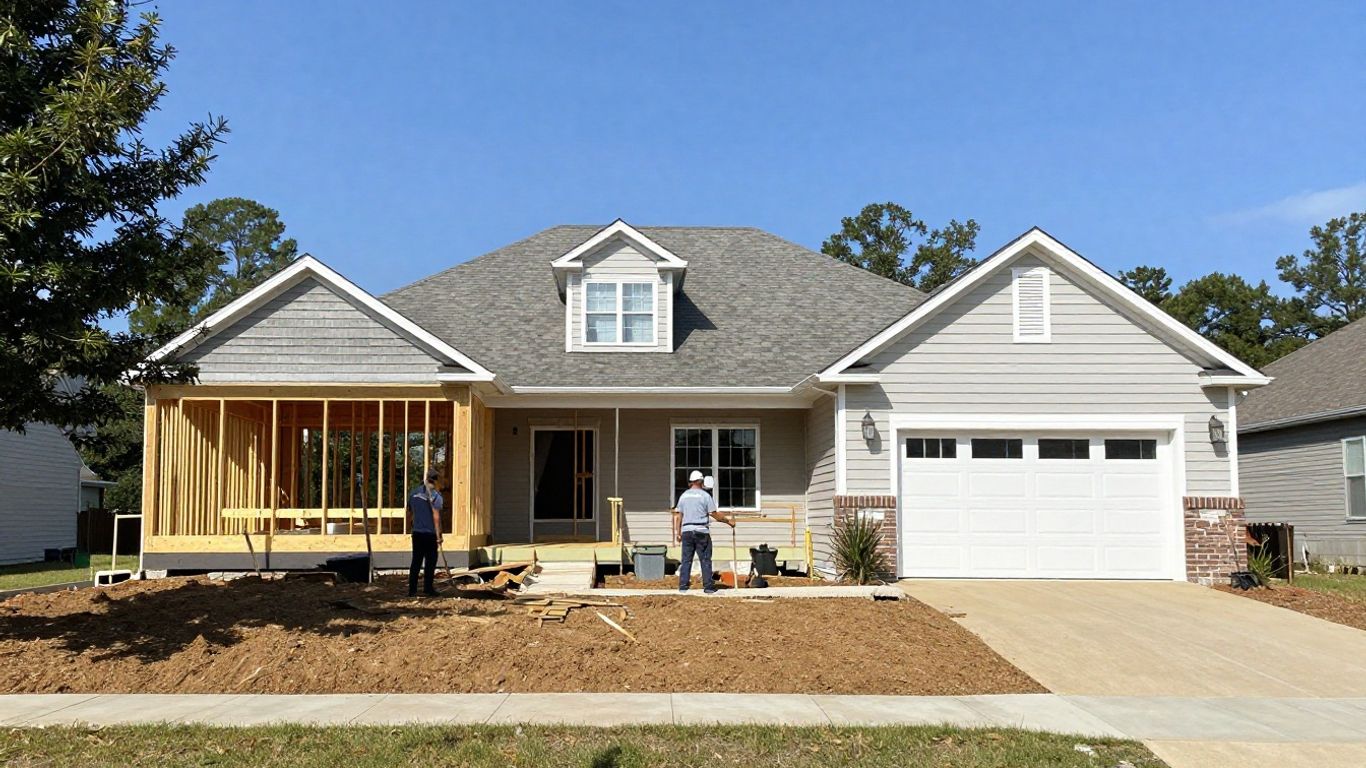
Before the actual building starts, getting your Dacula home ready is a big step. It’s all about making things smoother for the crew and, more importantly, keeping your stuff safe. Think of it like packing up for a big trip – you want everything organized and protected.
Protecting Your Possessions
This is where you become the chief protector of your belongings. The goal is to clear out the immediate construction zone as much as possible. If you’re adding a room, the adjacent areas will likely see some dust and activity, so it’s wise to prepare them too.
- Remove everything from the room where the addition will connect. This includes furniture, decor, and anything else that isn’t bolted down.
- Cover any furniture left in nearby rooms with plastic sheeting. It might seem like overkill, but dust has a way of getting everywhere.
- Take down wall hangings, mirrors, and window treatments in and around the work area. These items can be fragile and are easily damaged.
- Pack away any valuables or sentimental items. It’s better to have them safely stored away than risk them getting broken or lost.
- Consider protecting the flooring in pathways the construction crew will use. Heavy-duty paper or temporary floor runners can make a big difference.
It’s a good idea to talk with your contractor about what they expect you to move or protect. They often have specific recommendations based on the type of work being done.
Setting Up Temporary Living Arrangements
Depending on the scope of your room addition, your daily routine might get a bit disrupted. If the construction impacts your kitchen or main living areas, you’ll want to have a plan.
- Create a temporary kitchen setup if your main kitchen is off-limits. This could be as simple as a microwave, mini-fridge, and a designated spot for dishes.
- Identify alternative bathrooms. If the work is near your primary bathroom, know where you or your family will be showering and using the facilities.
- Think about where contractors will work. Sometimes, designating a specific area for them to store tools and take breaks can help keep other parts of your home clear.
- Discuss with your contractor about dust barriers. They can set these up to help contain the mess, but it’s good to know what to expect.
If your project is extensive, you might even consider staying elsewhere for a period. This isn’t always necessary, but for major renovations, it can significantly reduce stress. Contact us here – https://share.google/po4H1NThY8jBCZJuj. We are Duluth Kitchen Remodeling and Construction Company, and we help Dacula homeowners prepare for their projects. We have experienced staff who know how to manage projects from start to finish, like the team at Mosier Reisom Construction & Engineering.
The Construction Phase for Your Dacula Addition
Once you’ve got all your permits and drawings in hand, it’s finally time for things to get loud and messy—your room addition is about to take shape. Each step builds on the last, so keeping the process organized matters. Here’s what’s ahead.
Demolition and Structural Modifications
This stage is a big deal, especially if you’re tearing down walls, opening up spaces, or dealing with old construction. Demolition can reveal surprises like outdated wiring or minor plumbing leaks, so patience is key.
Bulleted steps involved:
- Remove finishes and fixtures in the affected area
- Safely take down walls or ceilings as needed
- Address any issues that pop up (hidden rot or odd framing aren’t unusual)
- Install support beams or new framing
It pays to check in with your contractor during demo, so you’re aware if anything unexpected crops up—and it does, even in the best-kept homes.
Rough-In Work for Mechanical Systems
Once the bones of your new room are sorted, it’s time for the rough-ins. Rough-in basically means laying out the guts of your electrical, plumbing, and HVAC before walls or ceilings cover things up for good.
Typical rough-in checklists:
- Electricians run new wires for outlets, switches, and lighting
- Plumbers install water supply and drain pipes
- HVAC pros set up ductwork, vents, or new systems if your addition needs them
Here’s a handy table to make sure you’ve got your rough-ins covered:
| System | What’s Involved | Inspection Needed? |
|---|---|---|
| Electrical | Outlets, switches, lighting runs | Yes |
| Plumbing | All pipes, vent stacks, drains | Yes |
| HVAC | Ducts, returns, units if new system | Maybe (check local) |
Your contractor should coordinate the inspections before moving forward. This way, no wires get buried by mistake, and leaks are caught while it’s still easy to fix.
Insulation and Drywall Installation
Now, the space starts looking like a real room. First, contractors add insulation to exterior walls, ceilings, and any spots exposed to the outdoors. The goal: comfort and energy savings over the long haul. Insulation gets inspected before anyone hangs drywall.
Drywall is next. Hanging the big, awkward sheets on the walls and ceilings takes a day or two, with another several days for seams, joint compound, and sanding smooth. Don’t rush this—if you do, you’ll see bumps and ridges every time you walk in the room.
At this point, take a little time to walk the space—even unfinished walls give you a real sense of your addition’s potential. Small details here, like an extra outlet, are easier to fix now than later.
Ready to make your dream space a reality? Duluth Kitchen Remodeling and Construction Company provides experienced teams and honest communication every step of the way, right here in Dacula, Georgia. Reach out to us today: Contact us and let’s add that extra room to your home!
Finishing Touches for Your Dacula Room Addition
Now that the main construction is done, it’s time for the fun part – making your new space look and feel complete! This is where all those design choices you made really start to come to life. Think of it as the final polish that makes your addition feel like a natural part of your Dacula home.
Interior Finishes: Flooring, Cabinetry, and Paint
This stage is all about the details that give your room its character. Flooring goes down, cabinets get installed, and walls get their final coat of paint. It’s amazing how quickly the space transforms during this phase.
- Flooring: Whether you chose hardwood, tile, or carpet, installation happens now. It’s important to protect your new floors immediately after they’re installed, as other work might still be happening.
- Cabinetry: If your addition includes a kitchen, bathroom, or built-in storage, cabinets are installed. This includes base and upper cabinets, making sure they’re level and aligned perfectly. Hardware like knobs and pulls are added last.
- Painting: Walls, trim, and ceilings get their final coats of paint. This is usually done after most other work is finished to avoid scuffs and marks, but before fixtures are installed.
The order of these finishes can sometimes vary depending on the specific materials and the contractor’s workflow. For example, some painters prefer to paint before cabinets go in, while others do it after.
Fixture and Hardware Installation
This is where your room gets its functionality and final decorative touches. Electricians and plumbers come back to connect everything, and hardware is installed.
Here’s a look at what typically gets installed:
- Lighting: Ceiling lights, pendant lights, sconces, and ceiling fans are wired and mounted.
- Plumbing Fixtures: Faucets, sinks, toilets, and showerheads are connected and tested.
- Hardware: Cabinet knobs and pulls, door handles, locks, and switch plates are put in place.
Getting these final details right makes a big difference in the overall look and feel of your new room.
Ready to add a beautiful new room to your Dacula home? Contact Duluth Kitchen Remodeling and Construction Company today!
Contact us here – https://share.google/po4H1NThY8jBCZJuj
Finalizing Your Dacula Home Addition Project
You’re almost at the finish line. The last stage of your room addition in Dacula, Georgia is about buttoning up the details and making sure everything is just the way you need it. The final days on site can feel long, but this is when your vision really comes together. Let’s break down what to expect and how to get through it without missing a thing.
The Final Building Inspection
Before you can really call your space complete, you have to pass the final building inspection. This step isn’t just another box to check; it’s about making sure your addition is safe, legal, and every part meets the right standards. Here’s what generally happens:
- Your contractor schedules the final inspection with Dacula (or Gwinnett County) code officials.
- The inspector checks:
- Structural work
- Electrical systems
- Plumbing (if any)
- HVAC changes
- That everything matches your approved permits
- If something doesn’t meet code, you’ll get a list of fixes (called "corrections"). After these are handled, a re-inspection is scheduled.
Most folks feel a little nervous on inspection day, but if you’ve worked with an experienced crew, odds are good you’ll pass on the first try. Once you get a green light, permits are closed and you’ll have proof your addition’s been done right.
It’s a relief when you see the inspector nod, knowing your home now offers safe, usable, and legal new space for your family.
Completing the Punch List
Now’s the time for the last round of small fixes. The punch list is basically a checklist of all minor repairs, touch-ups, or missing odds and ends you spot at the end of the project. Don’t be shy. Walk the new space with your contractor and call out anything that bugs you, even if it’s something simple like a paint drip or a sticky window. Common punch list items include:
- Scuffs, paint splatters, or nail pops on walls or ceilings
- Door latches that don’t close right
- Light switches or outlets not working
- Caulking or grout gaps in bathrooms and kitchens
- Missing outlet covers or trim
Here’s a sample Punch List Table:
| Item | Location | Notes |
|---|---|---|
| Paint touch up | Bedroom wall | Near window, needs blending |
| Adjust door latch | Entry door | Doesn’t click fully |
| Re-caulk baseboard | Family room | Small gap by back corner |
Your contractor will work down the list and cross things off as they go. Check for yourself before giving final sign-off.
Call to Action (Duluth Kitchen Remodeling and Construction Company)
If you’re ready to see your Dacula room addition through to the finish, trust Duluth Kitchen Remodeling and Construction Company to walk you from start to punch list completion. We handle the details, deal with inspections, and won’t leave you hanging with unfinished jobs or open permits.
Got questions or want to get your own project started? Contact us here.
Let’s get you settled in your new space, so you can get back to living in a house that truly fits your life.
You’re almost done with your Dacula home addition! Before you celebrate, make sure everything is perfect. We can help you wrap up the last details. Visit our website today to learn more about finishing your project with ease.
Wrapping Up Your Dacula Room Addition
So, you’ve made it through the whole process of adding a room to your Dacula home. It might seem like a lot, and honestly, it can be. But by breaking it down, planning ahead, and working with good people, you can totally get it done. Remember to keep talking to your contractor, especially near the end, to sort out any little things on that punch list. Getting that final sign-off feels good, right? Now you can just relax and enjoy that extra space you’ve worked so hard for. Here’s to your newly expanded home!
Frequently Asked Questions
Do I need a permit to add a room to my house in Dacula, Georgia?
Yes, you need a permit for most room additions in Dacula. The city requires permits for major changes like adding new rooms, moving walls, or changing plumbing and electrical systems. Always check with your local building department before starting.
How long does it take to build a room addition?
Most room additions in Dacula take between two and six months to finish. The timeline depends on the size of the project, how fast you get permits, the weather, and how busy your contractor is.
How much does it cost to add a room to my house in Dacula?
The cost can vary a lot, but most homeowners in Dacula spend between $20,000 and $75,000 for a new room. The price depends on the size of the room, the materials you choose, and how complex the job is.
Can I live in my house during the construction?
Usually, you can stay in your home while the work is being done, but it might be noisy and messy. If the addition affects important areas like your kitchen or bathroom, you might need to set up a temporary space or stay somewhere else for a short time.
What should I look for when hiring a contractor in Dacula?
Look for contractors who are licensed and insured in Georgia. Ask for references, check their reviews online, and make sure they have experience with room additions. A good contractor will give you a written estimate and explain the process clearly.
What happens if something isn’t right after the project is done?
Before you make your final payment, walk through the new room with your contractor and make a list of anything that needs fixing. Most contractors in Dacula offer a warranty for their work, so they should come back to fix any issues you find.