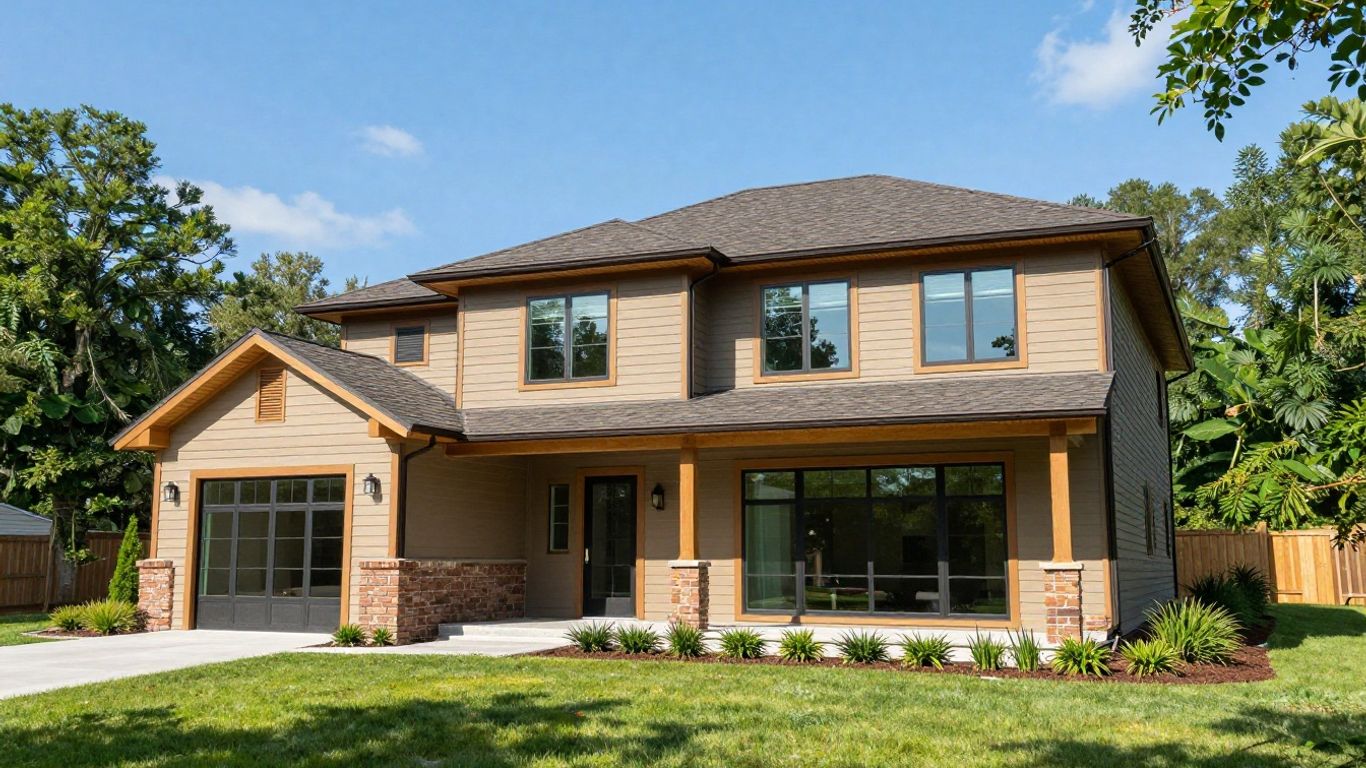
Thinking about adding more space to your Dacula, Georgia house? A house extension can be a great way to get that extra room you need without moving. But, like any big project, it’s not just about picking out new furniture. There are rules to follow, costs to consider, and the right people to hire. This guide will walk you through some important points for your Dacula, Georgia house extension project.
Key Takeaways
- Before you start, get familiar with Dacula’s specific zoning rules and building codes to make sure your house extension plans are allowed and safe.
- Think about your home’s current structure and how the new addition will fit in. Good planning for layout and how people will move around is also super important.
- Figure out your budget early. This includes costs for things like structural engineers, contractor payments, and the materials you’ll use for your Dacula, Georgia house extension.
- Finding the right contractors and structural engineers is key. Look for experience, good reviews, and make sure you have clear contracts and communication.
- Consider what you want the addition for – more living space, better energy use, or making your home easier to use as you or family members get older.
Understanding Dacula, Georgia House Extension Regulations
Navigating Local Zoning Ordinances
Before you even think about knocking down a wall or adding a new room, you’ve got to get familiar with Dacula’s zoning rules. These aren’t just suggestions; they’re the law, and they dictate a lot about what you can and can’t do with your property. Basically, zoning ordinances are local laws that control how land is used. For a house extension, this means understanding things like:
- Setbacks: How far your new addition needs to be from property lines, streets, and existing structures.
- Lot Coverage: The maximum percentage of your lot that can be covered by buildings.
- Height Restrictions: Limits on how tall your extension can be.
- Permitted Uses: While you’re extending a home, it’s good to know if there are any restrictions on accessory dwelling units (ADUs) or home businesses, just in case.
Ignoring these rules can lead to fines, having to tear down work already done, or even being unable to get permits in the first place. It’s always best to check with the Gwinnett County Planning & Development Department or Dacula’s local planning office. They can provide you with the most current zoning maps and ordinances that apply to your specific address. Getting this right upfront saves a ton of headaches later.
Permitting Processes for Home Additions
Once you’ve got a handle on zoning, the next big step is the permit process. Think of permits as official permission from the city or county to start construction. Without the right permits, your project isn’t legal, and you could face serious trouble down the line, especially when you try to sell your home.
Here’s a general idea of what to expect:
- Application Submission: You’ll typically need to submit a detailed application, which often includes architectural drawings, site plans, and sometimes structural engineering reports. The exact requirements can vary based on the scope of your project.
- Plan Review: City or county officials will review your submitted plans to make sure they comply with all local building codes, zoning ordinances, and safety standards.
- Permit Issuance: If everything checks out, you’ll be issued a building permit. This permit usually has an expiration date, so you’ll need to start construction within a certain timeframe.
- Inspections: Throughout the construction process, various inspections will be required at different stages (e.g., foundation, framing, electrical, plumbing, final inspection). These ensure the work is being done correctly and safely.
It’s a good idea to work with a contractor who is experienced with the Dacula permitting process. They can often handle much of the paperwork and ensure that all necessary steps are followed correctly. This whole process can take time, so factor it into your project schedule.
Understanding Building Code Compliance
Building codes are essentially a set of rules that ensure structures are safe, healthy, and habitable. They cover everything from how electrical wiring should be installed to the strength of your foundation and the fire resistance of materials. For a house extension, you’ll need to make sure your plans and the actual construction meet the current Georgia State Minimum Standard Codes, which are often based on international codes but may have state-specific amendments.
Key areas that building codes address for additions include:
- Structural Integrity: Ensuring the new structure can withstand loads (like wind and snow) and is properly supported.
- Fire Safety: Requirements for fire-rated materials, egress (like windows that can be used as exits), and smoke detectors.
- Electrical and Plumbing: Standards for safe installation and operation of these systems.
- Energy Efficiency: Codes related to insulation, windows, and HVAC systems to reduce energy consumption.
- Accessibility: While not always a primary focus for standard additions, certain upgrades might need to meet accessibility standards, especially if you’re planning for aging in place.
Staying up-to-date with building codes is vital. They are designed to protect you, your family, and future occupants. Your contractor and any structural engineers you hire will be instrumental in ensuring your project meets these standards.
For any significant home addition project in Dacula, Georgia, partnering with experienced local professionals is highly recommended. We at Duluth Kitchen Remodeling and Construction Company are here to help guide you through these regulations and ensure your project is compliant and successful. Contact us here – https://share.google/po4H1NThY8jBCZJuj
Key Considerations for Your Dacula, Georgia House Extension
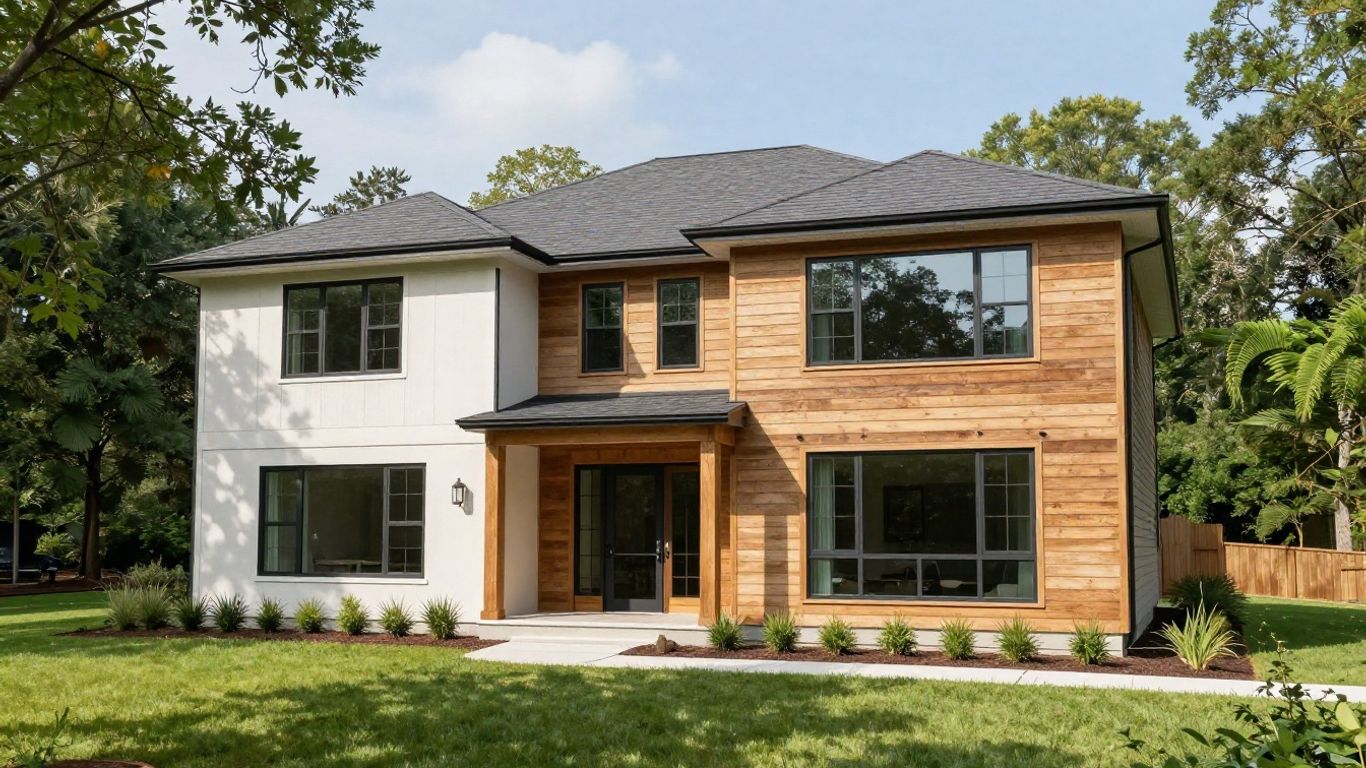
Before you even think about picking out paint colors or new furniture, there are some really important things to sort out for your Dacula house extension. It’s not just about making the space look good; it’s about making sure it’s built right and works for your family.
Assessing Your Home’s Structural Integrity
Think of your house like a body. Before you add a new limb, you need to make sure the existing structure can handle the extra weight and stress. This is where a professional comes in. They’ll check your foundation, walls, and roof to see if they’re strong enough for an addition. Sometimes, you might need to reinforce certain parts of your home before the extension can even begin. It’s a bit like getting a check-up before a big workout – you want to avoid any problems down the line.
Planning Functional Layouts and Traffic Flow
This is where you get to think about how you actually use your home. Where will people walk? Where do you need easy access? You don’t want your new addition to create awkward dead ends or make it hard to get from the kitchen to the living room. Good traffic flow means your home feels natural and easy to move around in. Think about how your family moves through the house on a typical day. Do you need a clear path from the garage to the laundry room? Or a direct route from bedrooms to a bathroom? Planning this out now saves a lot of headaches later.
Selecting Durable Exterior Materials
The outside of your extension needs to look good, sure, but it also needs to stand up to Georgia’s weather. You’ll want materials that can handle the heat, humidity, and occasional storms. Think about siding, roofing, and windows. Choosing materials that are built to last means less maintenance and fewer repairs in the future. It’s a balance between what looks nice, what fits with the rest of your house, and what will hold up over time.
Duluth Kitchen Remodeling and Construction Company can help you with all these considerations, ensuring your Dacula house extension is both beautiful and built to last. Contact us here – https://share.google/po4H1NThY8jBCZJuj
Budgeting for Your Dacula, Georgia House Extension Project
Figuring out the costs for a house extension in Dacula can feel like a puzzle, but breaking it down makes it much more manageable. It’s not just about the materials; there are other important pieces to consider.
Estimating Costs for Structural Engineering Services
Before you even think about hammering a nail, you’ll likely need a structural engineer. They check if your existing home can handle the new addition and make sure the plans are solid. Costs can vary quite a bit.
- Design Consultation: Expect to pay anywhere from $500 to $2,500. A simple check might be on the lower end, while a more complex assessment will cost more.
- Structural Analysis: This usually falls between $1,000 and $4,000. It’s about making sure everything is sound.
- Construction Documentation: Getting the detailed plans ready for permits can range from $2,000 to $6,000.
These numbers are just a starting point, of course. Things like how easy it is to get to the work area and the specific details of your project will affect the final price. It’s always best to get a few quotes to compare.
Remember, investing in good engineering upfront can save you a lot of headaches and money down the road by preventing structural problems.
Understanding Contractor Payment Terms
How you pay your contractor is a big part of the budget. Clear payment terms are super important to avoid any misunderstandings later on. Most contractors will have a payment schedule outlined in the contract. This often involves:
- An initial deposit to get the project started.
- Progress payments made at certain milestones (like when framing is done or the roof is on).
- A final payment, often held back until you’re completely happy with the finished work and any small issues are fixed.
Always make sure you understand when payments are due and what they cover. It’s common practice to hold back a percentage of the final payment until all the work is done to your satisfaction. This gives you some leverage to ensure everything is completed properly.
Allocating Funds for Material Selection
Materials make up a significant chunk of the budget, and there’s a huge range of options. Think about the exterior materials first, as they protect your home. You’ll want something durable that fits with your existing house style. For the interior, consider flooring, paint, fixtures, and anything else that will make the new space functional and attractive.
| Material Category | Estimated Cost Range (Low – High) |
|---|---|
| Roofing | $5,000 – $15,000+ |
| Siding | $4,000 – $12,000+ |
| Windows | $500 – $2,000 per window |
| Flooring | $2 – $15+ per sq ft |
| Interior Paint | $500 – $2,000 |
These are just rough estimates, and prices can change based on brand, quality, and installation complexity. Don’t forget to factor in potential costs for things like custom cabinetry or special finishes. If you’re looking for help with kitchen renovations or other remodeling projects, consider reaching out to Duluth Kitchen Remodeling and Construction Company. They can help you get a clearer picture of costs for your specific needs. You can contact us here to discuss your project further.
Finding the Right Professionals for Your House Extension
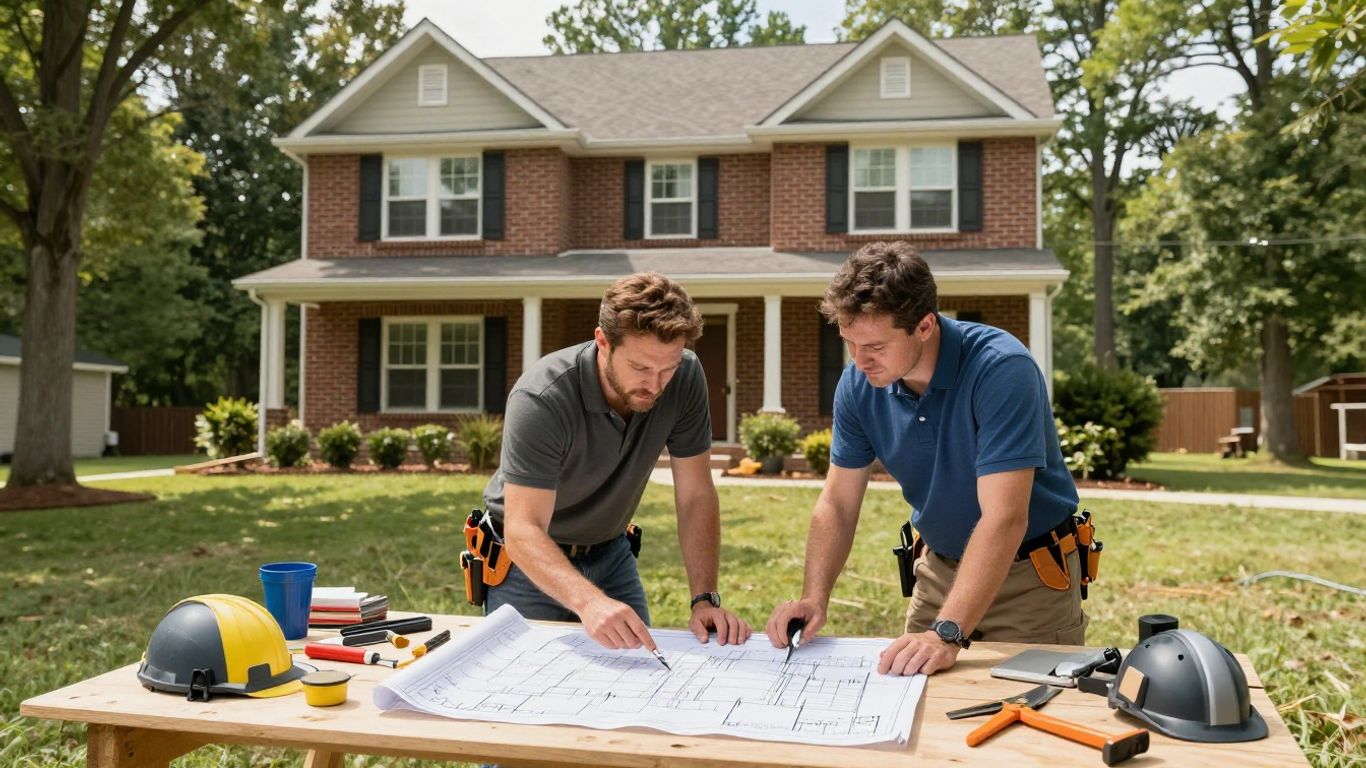
Evaluating Contractor Experience and Reputation
Picking the right contractor is a big deal for your Dacula house extension. You want someone who knows their stuff and has a good name in the community. Don’t just go with the first name you find. Ask around! Friends, family, and neighbors who’ve had similar work done can be a goldmine for recommendations. A contractor with years of experience likely knows how to handle unexpected issues that pop up, and they’ve probably seen it all before.
It’s also smart to check out their past work. Most contractors have a portfolio, which is basically a collection of photos from previous jobs. Look for projects that are similar to what you have in mind. This gives you a real feel for their craftsmanship and whether their style matches what you’re hoping for.
The Role of Structural Engineers in Additions
While a good contractor handles the day-to-day building, a structural engineer is key for making sure your extension is safe and sound. They’re the ones who figure out the technical stuff, like how the new part of your house will connect to the old, what kind of foundation is needed, and if your existing structure can handle the extra weight. They’ll look at blueprints and do calculations to make sure everything meets building codes.
Think of them as the architects of safety. They’ll provide detailed plans and reports that your contractor will follow. This step is super important, especially for larger additions, to avoid problems down the road.
Importance of Clear Communication and Contracts
Once you’ve found your team, clear communication is everything. You need to be able to talk openly with your contractor and engineer about your vision, your budget, and any concerns you have. Make sure everyone is on the same page from the start.
This is where a solid contract comes in. It should lay out everything: the scope of work, the timeline, payment schedules, and what happens if changes are needed. Don’t be afraid to ask questions about anything you don’t understand in the contract. A good contractor will be happy to explain it all.
Here’s a quick rundown of what to look for in a contract:
- Detailed description of the project scope
- Start and estimated completion dates
- Payment schedule (including any retainage)
- Materials to be used
- Warranty information
- Procedures for change orders
A well-defined contract protects both you and the professionals you hire. It sets clear expectations and provides a roadmap for the entire project, helping to prevent misunderstandings and disputes.
If you’re looking for a reliable team for your Dacula home extension, consider reaching out to Duluth Kitchen Remodeling and Construction Company. They can help guide you through the process.
Contact us here – https://share.google/po4H1NThY8jBCZJuj
Enhancing Your Home with Dacula, Georgia House Extension Services
Adding an extension to your Dacula home isn’t just about gaining more square footage; it’s about thoughtfully improving how you live in your space. Whether you’re dreaming of a bigger kitchen for family gatherings, a quiet home office, or simply more room to grow, a well-planned extension can make a huge difference. It’s about creating a home that truly fits your life, now and in the future.
Custom Home Additions and Extensions
When you decide to extend, you’re not just adding rooms; you’re crafting personalized spaces. This could mean anything from a new master suite with a walk-in closet to a sunroom that brings the outdoors in. Think about what you really need. Maybe it’s a dedicated play area for the kids, a guest room for visitors, or even a home gym. The beauty of a custom addition is that it’s designed specifically for you.
- New Bedrooms: Add much-needed sleeping space for a growing family or visiting relatives.
- Expanded Living Areas: Create a larger family room or a separate den for relaxation.
- Specialty Rooms: Design a home office, craft room, or media room tailored to your hobbies.
- Second Stories: Maximize your lot size by building upwards, adding significant living space.
Improving Energy Efficiency During Renovations
As you expand your home, it’s the perfect time to think about making it more energy-efficient. This means your new spaces will be comfortable year-round without costing a fortune in utility bills. We can look at:
- Insulation: Adding proper insulation to new walls, roofs, and floors is key. It keeps heat in during the winter and out during the summer.
- Windows and Doors: Installing high-performance, energy-efficient windows and doors can significantly reduce heat transfer.
- Sealing Air Leaks: Making sure there are no drafts around windows, doors, and where new construction meets the old part of your house.
Making your home more energy-efficient during an extension project not only lowers your monthly bills but also contributes to a more comfortable living environment. It’s a smart investment that pays off over time.
Accessibility Upgrades for Aging in Place
Planning for the future is smart, and that includes making your home more accessible as you or loved ones get older. These changes aren’t just for seniors; they can make daily life easier for anyone. We can incorporate features like:
- Wider Doorways: Making it easier to move around with walkers or wheelchairs.
- Grab Bars: Installing sturdy grab bars in bathrooms and hallways for added support.
- Ramps: Adding gentle ramps where needed to navigate steps.
- Lowered Countertops or Shelving: Making kitchens and storage areas more reachable.
Making your home more accessible can significantly improve safety and independence.
Thinking about these aspects during your Dacula house extension project can transform your house into a more functional, comfortable, and future-ready home. For expert advice and services tailored to your needs, consider reaching out to Duluth Kitchen Remodeling and Construction Company. Contact us here: https://share.google/po4H1NThY8jBCZJuj
Thinking about making your Dacula, Georgia home bigger? Our house extension services can help you create the extra space you need. Imagine a new family room, a bigger kitchen, or even a home office. We make it easy to get the home you’ve always dreamed of. Ready to explore the possibilities? Visit our website today to learn more and get a free quote!
Wrapping Up Your Dacula House Extension Project
So, you’re thinking about adding onto your Dacula home. It’s a big step, for sure, but with a little planning and the right local help, it can really make your house work better for you. Remember to check out zoning rules, think about how you’ll use the new space, and don’t forget to find contractors you feel good about working with. Getting quotes and asking questions upfront will save you headaches later. A well-planned extension can add value and make your home a much more comfortable place to live. Good luck with your project!
Frequently Asked Questions
What are the first steps to planning a house extension in Dacula?
Before you start dreaming about extra rooms, you need to understand the local rules. Check Dacula’s zoning laws to see what’s allowed for home additions. Also, figure out if you need special permits for your project. Getting these details early saves a lot of trouble later.
How do I know if my house can handle an extension?
It’s super important to make sure your house is strong enough for a new addition. Think of it like adding weight to a table – you need to know if it can hold it. You might need a professional to check your home’s structure to be sure it’s safe and sound before building.
What’s the best way to plan the layout of my new space?
When planning your extension, think about how you’ll use the new rooms and how people will move around. You want the space to feel natural and easy to get through, like a smooth path. Sketching out a floor plan helps make sure everything fits well and works for your daily life.
How much does a structural engineer cost for a house extension?
The cost for a structural engineer can vary. For simple checks, it might be around $700, but for more complex jobs or detailed plans, it could go up to $2,000 or more. It’s best to get a few quotes to understand the price for your specific project.
What should I look for when hiring a contractor for my addition?
When picking a contractor, check if they have experience with similar projects and if past clients were happy. Good communication is key – they should be clear about everything and answer your questions. Always get a written contract that explains all the details.
Can a house extension help make my home more energy-efficient?
Yes, absolutely! When you’re building an extension, it’s a great chance to add better insulation, seal up drafts, and maybe even install new, energy-saving windows. This can make your whole home more comfortable and lower your energy bills.