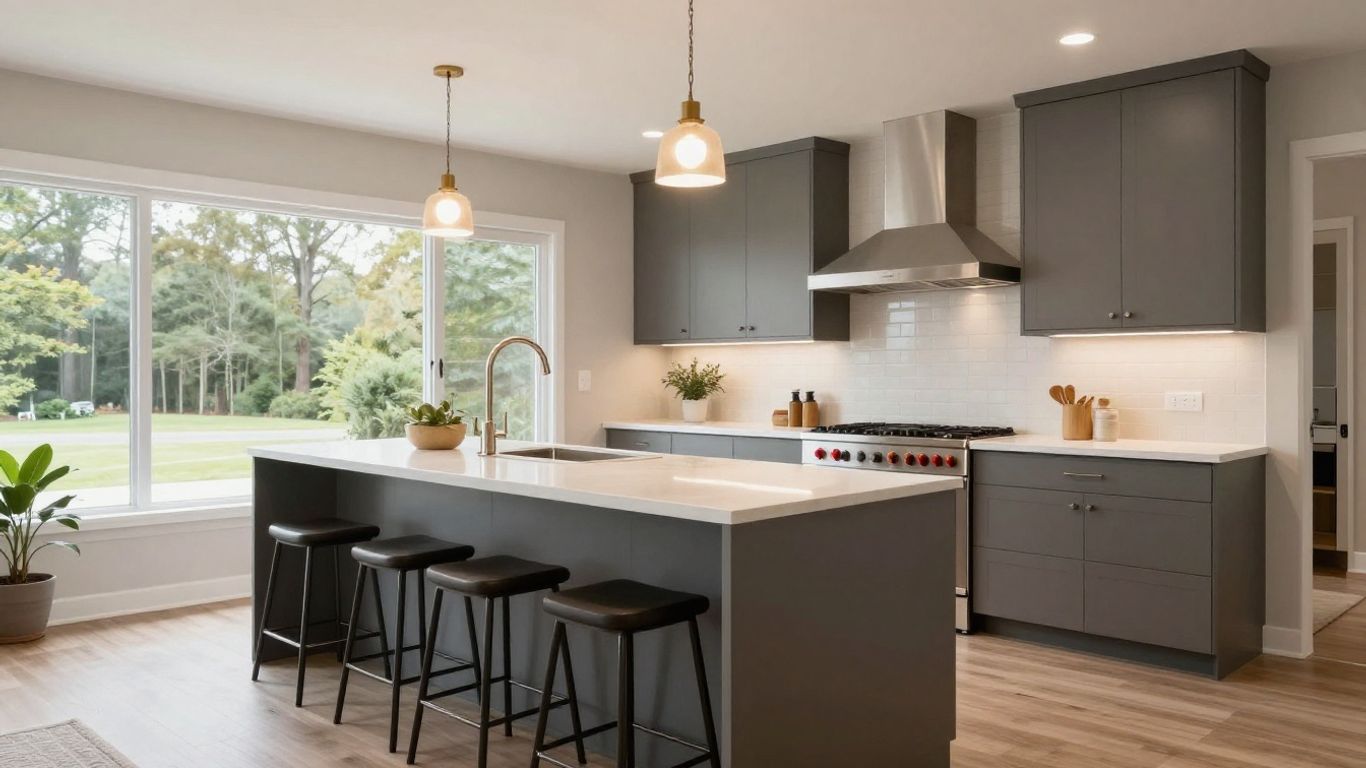
Thinking about a big change for your place in Dacula, Georgia? A full house remodel can really make your home feel brand new, but it’s a huge project. It’s not just about picking out new paint colors; there’s a lot of planning, finding the right people, and dealing with the actual construction. This guide breaks down what goes into a Dacula, Georgia Full House Remodel so you know what to expect.
Key Takeaways
- Planning is super important for a Dacula, Georgia Full House Remodel. You need to know what you want, how much you can spend, and how you’ll pay for it.
- Finding good contractors is a big deal. Ask around, check references, and get detailed bids before you hire anyone for your Dacula, Georgia Full House Remodel.
- Permits and inspections are required for most Dacula, Georgia Full House Remodel projects. Your contractor usually handles this, but it’s good to be aware.
- Getting your home ready before construction starts helps protect your stuff and makes things easier for everyone involved in your Dacula, Georgia Full House Remodel.
- The actual building part of a Dacula, Georgia Full House Remodel involves demolition, putting up walls, and then all the finishing touches like flooring and paint.
Planning Your Dacula, Georgia Full House Remodel
Embarking on a full house remodel in Dacula, Georgia, is a big undertaking, but with solid planning, it can be an exciting journey toward your dream home. This initial phase is all about laying the groundwork, making sure your vision aligns with reality and that you’re financially prepared for the transformation ahead.
Defining Your Renovation Goals and Vision
Before you even think about paint colors or flooring, take some time to really figure out what you want to achieve with this remodel. Are you looking to update outdated spaces, improve functionality, add more room, or boost your home’s value? Jot down everything you’d like to change, from the big picture down to the little details. Think about how you use your home now and how you want to use it in the future. It’s helpful to create a mood board or a scrapbook of ideas – tear out magazine pages, save images from online, and really get a feel for the style you’re aiming for. This vision will be your guiding star throughout the entire project.
Establishing a Realistic Budget for Your Project
Let’s talk money. Full house remodels can get expensive quickly, so setting a realistic budget right from the start is super important. Don’t just guess; do some research. Look at similar remodels in the Dacula area to get a general idea of costs. Remember to factor in not just the construction itself, but also design fees, permits, potential unexpected issues (always have a contingency fund!), and even temporary living expenses if you need to move out.
Here’s a basic breakdown to consider:
- Design & Planning: Architects, designers, permits.
- Materials: Flooring, cabinets, countertops, fixtures, paint, etc.
- Labor: Contractor fees, specialized trades (plumbing, electrical).
- Contingency: A buffer for unforeseen problems (aim for 10-20%).
- Furnishings & Decor: New items to complete the look.
Be honest with yourself about what you can comfortably afford. It’s better to scale back your plans slightly than to overextend yourself financially.
Understanding Financing Options for Your Remodel
If your savings don’t quite cover the entire project cost, don’t worry. There are several ways to finance a major home renovation. You might consider a home equity loan or line of credit (HELOC) if you own your home and have built up equity. Another option could be a cash-out refinance on your existing mortgage. Personal loans are also available, though they might come with higher interest rates. Some homeowners even explore construction loans specifically designed for building or remodeling projects. It’s wise to talk to your bank or a mortgage broker early on to understand what options are best for your financial situation. Getting pre-approved can also give you a clearer picture of your borrowing power. For professional home renovation services, consider reaching out to AR General Contracting INC for a complimentary estimate [f144].
For those in the Duluth area looking for similar services, remember that Duluth Kitchen Remodeling and Construction Company is ready to help bring your vision to life. Contact us here – https://share.google/po4H1NThY8jBCZJuj.
Assembling Your Dacula, Georgia Remodeling Team
Bringing together the right professionals for your remodel is a key step in making your dream home a reality. It can feel like a big task, but with a little planning and some practical steps, you can set yourself up for a smooth process and a quality finished product.
Finding Qualified and Experienced Contractors
Start by gathering recommendations from neighbors or people in your area who’ve had similar work done. Word of mouth goes a long way, especially for something as personal as a full house remodel.
- Browse online for remodeling contractors in Dacula and check verified reviews, project portfolios, and before-and-after photos.
- Make sure any contractor you contact holds proper licensing and insurance for your safety.
- Ask about experience with whole home renovations specifically.
Hiring someone local means they’re more familiar with Dacula’s regulations and construction styles, making the entire process much less stressful. For example, remodeling contractors in Dacula are known for understanding the local trends and codes.
Interviewing Potential Remodeling Professionals
Once you’ve identified a few possible contractors, set up meetings. Ask specific questions to really get a feel for how they work:
- How long have you been doing full house remodels in Georgia?
- Who will be on the job site each day and will I have a dedicated point of contact?
- What does your typical timeline look like?
- How do you deal with surprises or delays?
- Can you provide references from other Dacula projects?
Take notes on their communication and whether they seem honest. Choosing the right team is about trust as much as skills.
Requesting and Comparing Detailed Estimates
When you’ve narrowed your list down, request written estimates. Take your time reading every line. The lowest number isn’t always the best deal; instead, focus on detail and transparency. A quality estimate should break down work and material costs so you know exactly what you’re paying for.
| Contractor | Labor Cost | Material Cost | Timeline | Warranty |
|---|---|---|---|---|
| Company A | $45,000 | $27,000 | 4 months | 1 year |
| Company B | $40,000 | $32,000 | 5 months | 2 years |
| Company C | $48,000 | $25,000 | 3.5 months | 1 year |
Even small differences can have a big impact over a long project. Spending time on these comparisons pays off with fewer issues later on—plus you’ll feel more confident in your choices.
Ready to take the next step with your Dacula home? Get in touch with Duluth Kitchen Remodeling and Construction Company today to discuss your project. We handle full home remodels throughout Dacula and nearby areas, making your ideas come to life with clear communication every step of the way. You can contact us directly here.
Designing Your Dacula, Georgia Full House Remodel
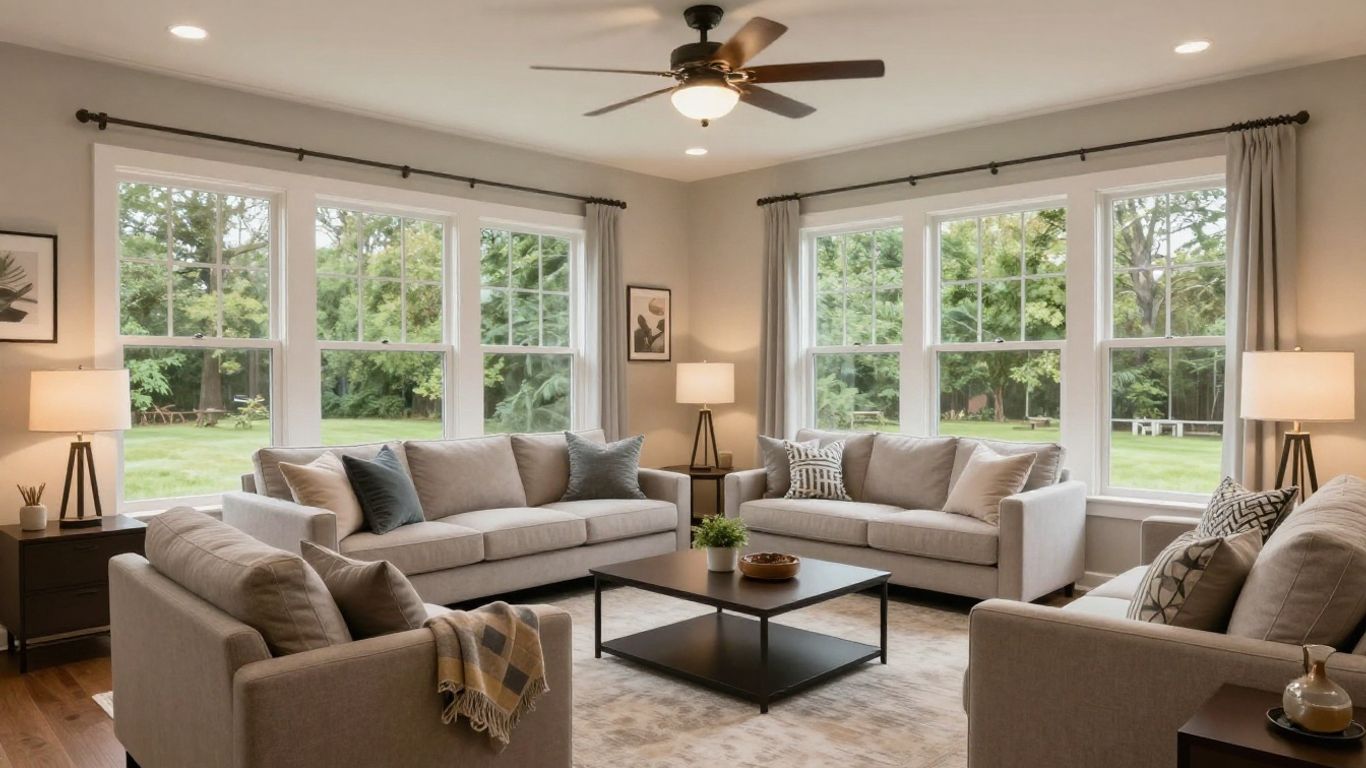
When you’re ready to move past initial planning, the design phase is where your Dacula home remodel really takes shape. This step is more than picking pretty things; it’s about making sure your ideas become something builders can construct. It can be overwhelming, but a structured approach simplifies choices and helps you stay on track.
Developing Detailed Architectural Plans
Getting detailed architectural drawings for your remodel in Dacula isn’t something to rush through. Your contractor or designer will help map out every wall, door, plumbing change, and any structural updates you want. These plans act as the blueprint for everything that comes next—contractors, inspectors, and even permit offices depend on them. Make sure you review every page and ask questions, even about things that seem small. It’s better to spend a little extra time now than to run into surprises during construction.
Here’s what should be clarified in your plans:
- Room layouts and space reconfiguration
- Placement of plumbing, electrical, and HVAC systems
- Structural changes, such as moving walls or windows
- Details for both inside and outside finishes
Architectural drawings aren’t just for new spaces—they’re also necessary if you’re changing your home’s footprint or altering anything that affects safety. Professional teams like Exodus Built can help aim for the right balance between style and practicality.
Selecting Interior and Exterior Finishes
This is the fun part, where you start to see your style coming together. Still, being thoughtful about each finish—like countertops, paint colors, cabinets, and even outdoor features—matters for both the look and the budget.
Here are some tips to keep you organized:
- Create a list of every finish you need (walls, floors, cabinetry, trim, exterior siding, etc.)
- Whenever possible, request material samples to see how they’ll look in your home’s lighting
- Compare price and maintenance needs—don’t just go for the trendy choice if it means high upkeep
- Consider what matches your neighborhood’s style and resale value
You might want to group your decisions in a table like this:
| Finish Type | Options to Consider | Sample Needed? | Estimated Cost |
|---|---|---|---|
| Flooring | Hardwood, Tile, Vinyl | Yes | $$$-$$$$ |
| Cabinetry | Shaker, Slab, Custom | Yes | $$$$ |
| Countertops | Quartz, Granite, Laminate | Yes | $$$-$$$$ |
| Paint/Colors | Neutrals, Bold, Custom | Yes | $$ |
Take it section by section, so you’re never making more than a couple of choices at once. This keeps things less stressful.
Choosing Materials to Match Function and Style
Everyone wants their house to look good, but make sure the materials you select will stand up to your lifestyle. If you’ve got dogs or kids, for example, a delicate wood floor might not be the smartest move. On the other hand, high-traffic areas look better for longer with tough finishes.
Consider these material selection pointers:
- Durability (tiles, engineered hardwood, solid-surface counters)
- Ease of cleaning and maintenance
- Cost vs. expected lifespan
- How well the material blends with other elements in your home
Planning is worth every minute; taking time on design decisions now can save money, time, and headaches later on.
If you’re overwhelmed by all the details or want advice specific to your Dacula project, consider reaching out to Duluth Kitchen Remodeling and Construction Company. They have local expertise and can walk you through the process from planning to picking out finishes.
For advice or to schedule a design consultation, contact Duluth Kitchen Remodeling and Construction Company right here.
Navigating Permits and Inspections in Dacula, Georgia
Getting the right paperwork sorted out before you start tearing into your Dacula home is super important. It might not be the most exciting part of a full house remodel, but skipping it can cause a whole lot of headaches down the road. Think of it as the foundation for your project’s legal side.
Understanding Local Permit Requirements
Most significant renovations in Dacula will require permits. This isn’t just busywork; it’s about making sure the work done on your home is safe and meets building codes. Generally, you’ll need permits for:
- Structural changes, like knocking down walls or adding new rooms.
- Major electrical work, such as upgrading your panel or adding new circuits.
- Plumbing modifications, especially if you’re moving pipes or adding bathrooms.
- HVAC system installations or significant alterations.
- Exterior changes like new windows, doors, or roofing.
It’s always best to check directly with the City of Dacula or have your contractor do it. They can tell you exactly what’s needed for your specific project. Your contractor usually handles the permit application process as part of their service, which is a big help.
The Role of Building Inspections During Renovation
Once you have your permits, the work begins. But it’s not just about doing the work; it’s about getting it checked. Building inspectors will visit your property at different stages of the remodel. These inspections are key to making sure everything is up to code and safe.
Common inspection points include:
- Rough-in inspections: These happen after framing, electrical, and plumbing are in place but before they’re covered up.
- Insulation inspection: This is done after insulation is installed but before the drywall goes up.
- Final inspection: This is the last check once all the work is completed.
Passing these inspections is required before you can move on to the next phase of construction. It helps catch any issues early, saving you time and money.
Securing Final Approval for Your Remodel
After all the construction is done and the final inspections have passed, you’ll need to get official sign-off. This usually involves a final walkthrough with the inspector and your contractor. They’ll check that everything was done according to the approved plans and meets all safety standards. Once everything is good to go, your permits are officially closed out. This documentation is important for your records and for any future sale of your home. If you’re working with a company like Duluth Kitchen Remodeling and Construction Company, they’ll manage this whole process for you. Contact us here – https://share.google/po4H1NThY8jBCZJuj
Dealing with permits and inspections can feel like a maze, but it’s a necessary step for a successful and legal home remodel. Having a good contractor who knows the local Dacula regulations makes a world of difference. They’ll guide you through the requirements and ensure all inspections are scheduled and passed without a hitch, letting you focus on the exciting parts of your home transformation.
Preparing Your Dacula, Georgia Home for Renovation
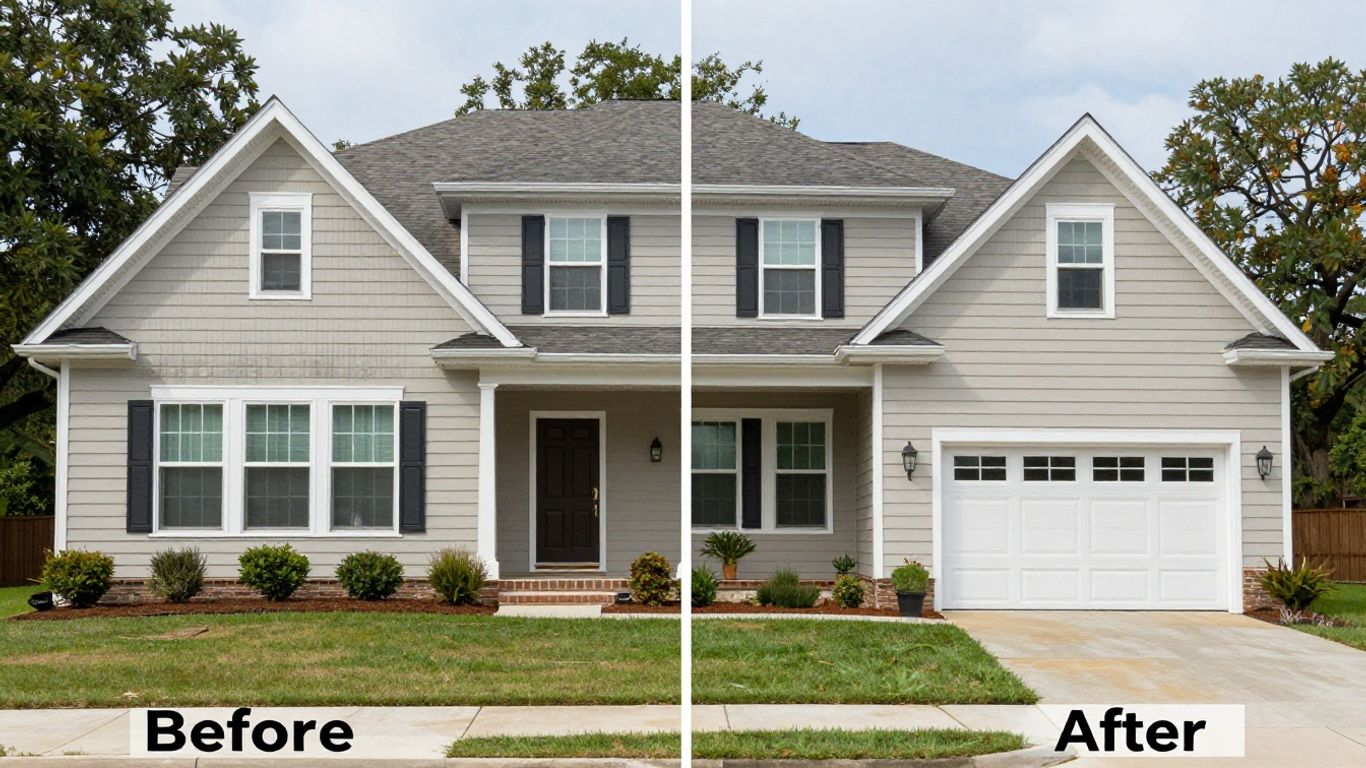
Before the real work begins, getting your Dacula home ready is a big step. It might seem like a hassle, but trust me, it makes the whole process smoother and keeps your stuff safe. Think of it as tucking your house in before a big operation.
Protecting Your Belongings and Property
First things first, you need to clear out the areas where the contractors will be working. If you’re renovating the kitchen, that means moving everything out of the cabinets and off the counters. For other rooms, it’s a good idea to move furniture away from the walls or even out of the room entirely if possible. For things you can’t move, like large sofas or built-in cabinets in adjacent rooms, cover them up with heavy-duty plastic sheeting. Don’t forget about your walls – take down pictures, mirrors, and curtains. Anything fragile or valuable should be packed away securely. You might even want to consider renting a storage unit if you have a lot of furniture and are doing a significant portion of the house. It’s a bit of extra effort, but it gives you peace of mind knowing your belongings are out of harm’s way. Protecting the floors in the pathways the crew will use is also smart; thick drop cloths or temporary flooring can prevent scratches and damage.
Establishing Temporary Living Arrangements
A full house remodel means your home won’t be fully functional for a while. You’ll need to think about where you’ll sleep, eat, and bathe. If your kitchen is being redone, you’ll need a plan for meals. Maybe a temporary hot plate and microwave setup in another room? Or perhaps you’ll be eating out a lot. Similarly, if the bathrooms are part of the renovation, figure out which one you’ll use or if you need to make arrangements elsewhere. It’s also wise to set up dust barriers, like plastic sheeting with zippers, to keep the construction mess contained to the work areas. Discussing your family’s schedule with your contractor is also key. Knowing when the noisy work will happen can help you plan around it, especially if you have young children or pets. Sometimes, it’s best to have the kids or pets stay with family or friends during the most disruptive phases.
Setting Up a Safe and Functional Contractor Workspace
Your contractors need a place to work efficiently and safely. This usually involves designating an area for them to store tools and materials. Often, a garage or a spare room works well for this. Make sure they have access to electricity and water if needed. It’s also important to establish clear boundaries about where they can and cannot go. Discussing safety protocols is also a good idea. This includes things like ensuring the work area is secured at the end of each day and understanding how they manage debris removal. A well-organized workspace for the crew means they can focus on the job at hand, which ultimately benefits your project timeline and quality. Remember, clear communication about these practicalities upfront can prevent misunderstandings down the road. If you’re looking for a team to help manage these details and more for your home transformation, consider reaching out to Duluth Kitchen Remodeling and Construction Company. Contact us here – https://share.google/po4H1NThY8jBCZJuj. We help homeowners transform their living spaces with minimal disruption.
The Dacula, Georgia Full House Remodel Construction Process
Alright, so your plans are approved, your team is ready, and your house is prepped. Now comes the part where things really start to take shape – the actual construction. This is where the magic happens, but it’s also where things can get a little messy and unpredictable. Think of it as the messy middle of your home’s transformation.
Demolition and Structural Work Considerations
This is usually the first big step you’ll see. It’s the ‘out with the old’ phase. Contractors will start tearing down walls, removing old fixtures, and generally making space for the new. It can be noisy and dusty, so if you’re still living in a part of the house, be prepared for some disruption.
- What to expect: Old cabinets, flooring, maybe even some walls will come down. This is also when they might discover things you didn’t know were there, like old wiring, plumbing issues, or even water damage. It’s not always fun, but it’s better to find these things now than later.
- Structural changes: If your plan involves moving load-bearing walls, adding new windows, or reconfiguring the layout significantly, this is when that structural work gets done. It involves adding beams, reinforcing things, and making sure everything is sound and safe.
- Inspections: Remember, after major structural changes, there will likely be an inspection to make sure everything meets code before they can move on.
It’s important to stay in communication with your contractor during this phase. Unexpected issues can pop up, and they’ll need to discuss any potential changes to the timeline or budget with you.
Insulation and Drywall Installation for a Finished Look
Once the structural work is done and any necessary inspections have passed, it’s time to start closing things up. This is where your house starts to look like rooms again.
- Insulation: This is key for comfort and energy efficiency. Contractors will install insulation in the exterior walls, ceilings, and any other areas that need it. This is another step that usually requires an inspection before the next phase.
- Drywall: After insulation, the drywall goes up. This means hanging the large sheets of drywall, taping the seams, applying joint compound (mud), and sanding it all smooth. This process takes time because the compound needs to dry between coats.
- Priming: Once the drywall is smooth and ready, they’ll apply a primer coat. This seals the surface and prepares it for the final paint colors.
Interior Finishes: Flooring, Cabinetry, and Painting
This is where your home really starts to feel like yours. All those design choices you agonized over? They’re coming to life now.
- Painting: The walls and ceilings get their final coats of paint. This is usually done before flooring is installed to avoid any accidental drips or damage.
- Flooring: Depending on the type, flooring installation can happen at different stages. Hardwood might need time to acclimate, tile can be messy, and carpet is often one of the last things to go in.
- Cabinetry and Countertops: Kitchen and bathroom cabinets are installed, followed by countertops. This is a big visual change that really defines the space.
This phase is all about bringing the aesthetic you envisioned into reality. It’s exciting to see the different elements come together, transforming the space from a construction zone into a home.
Ready to start your Dacula, Georgia full house remodel? Duluth Kitchen Remodeling and Construction Company is here to help bring your vision to life. Contact us today to discuss your project and get a free quote!
Contact us here – https://share.google/po4H1NThY8jBCZJuj
Finalizing Your Dacula, Georgia Full House Remodel
We’re almost there! The final stretch of your full house remodel in Dacula, Georgia, is all about the details. This is where everything comes together, and your vision truly starts to feel like home.
Installing Fixtures and Hardware
This is the part where your home starts to feel truly finished. Think about all those little things that make a house a home – the shiny new faucets in the kitchen and bathrooms, the elegant light fixtures that will set the mood, and the cabinet pulls that you’ll touch every single day. It’s also when door handles, locks, and even the covers for your light switches and outlets get installed. Electricians and plumbers will make their final connections to make sure everything works just right. It’s amazing how much these small details can change the feel of a room.
Completing the Punch List for Final Touches
Okay, so maybe not everything is perfect yet. That’s totally normal! This is where the "punch list" comes in. You and your contractor will walk through your newly remodeled home together and make a list of any little things that need fixing or adjusting. This could be anything from a tiny paint touch-up on a baseboard, a cabinet door that needs a slight adjustment, or making sure a light switch is working correctly. It’s basically a final checklist to make sure every single detail is addressed before you officially sign off. We want to make sure everything is exactly how you want it.
The Final Walkthrough and Project Sign-Off
This is the moment you’ve been waiting for! The final walkthrough is your chance to see the completed project and confirm that all the punch list items have been taken care of. You’ll go through your home one last time, checking that everything is functioning as it should and that you’re happy with the results. Once you’re satisfied, you’ll give the project your final sign-off. It’s a big step, and it means your Dacula, Georgia, full house remodel is officially complete!
Ready to start planning your own home transformation? Duluth Kitchen Remodeling and Construction Company is here to help bring your dream home to life. Contact us here – https://share.google/po4H1NThY8jBCZJuj
Ready to see your Dacula, Georgia home transformed? We’re here to help make your full house remodel dreams a reality. From start to finish, we handle everything so you don’t have to worry. Visit our website today to learn more and get a free quote!
Wrapping Up Your Dacula Home Transformation
So, you’ve made it through the whole process of remodeling your Dacula home. It might have felt like a lot at times, with all the planning, decisions, and maybe a few surprises along the way. But look at your house now! It’s not just updated; it’s a space that truly fits how you live today. Remember to do that final walkthrough with your contractor, get that punch list sorted, and then you can really start enjoying the results. A remodeled home is a big project, but seeing it all come together makes it totally worth it. Enjoy your refreshed space!
Frequently Asked Questions
What’s the first step in remodeling my whole house in Dacula?
Before you do anything else, you need to figure out what you want your house to be like after the remodel. Think about what problems you want to fix, like not having enough space or having old-looking rooms. Also, think about how you want the house to look and feel. Making a list or a vision board with pictures can help you and your family get on the same page.
How much money should I plan to spend on a full house remodel?
Setting a budget is super important. You need to know how much money you can spend. A good rule of thumb is to set aside money for materials (about half your budget), labor (almost half), permits, and a little extra for unexpected things that might pop up. Researching costs for similar projects in Dacula can give you a better idea.
Do I really need to hire professionals for a remodel?
Yes, it’s highly recommended. Finding good contractors, designers, and architects is key to a successful remodel. They have the experience to handle complex tasks, understand building codes, and can often get better prices on materials. Asking friends for recommendations and checking reviews can help you find trustworthy professionals.
What kind of permits do I need for a full house remodel in Dacula?
Most big remodeling projects, especially those involving structural changes, electrical work, or plumbing, will require permits from the city. Your contractor will usually handle this for you, but it’s good to understand the process. These permits ensure the work is done safely and follows all local rules.
How long does a full house remodel usually take?
The time it takes for a full house remodel can vary a lot. It depends on the size of your house, how complicated the changes are, and how quickly you and your team can get permits and inspections done. It could take several months, so it’s important to have a realistic timeline and be prepared for potential delays.
What happens after the main construction is finished?
Once the big construction work is done, there’s still a final phase. This includes installing all the finishing touches like light fixtures, faucets, and cabinet hardware. Then, you and your contractor will do a final walkthrough to create a ‘punch list’ of any small things that need fixing or adjusting before you officially approve the project.